


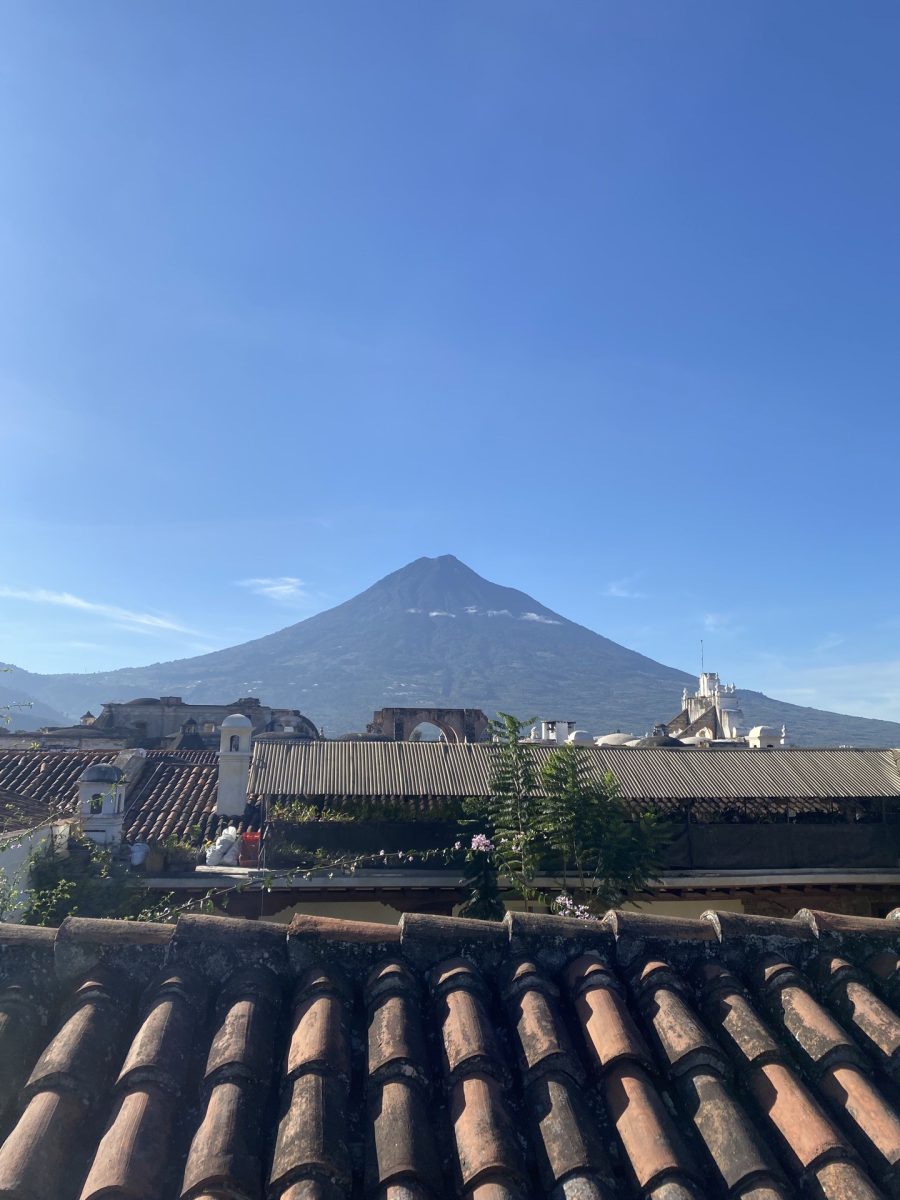
Traveling internationally to conduct a service trip is often seen as controversial, especially when those trips fall under the label of “volunteer tourism.”However, I argue that Dickinson’s Guatemala service trip program, while it could be classified under this label, is far from the stereotypes that are applied to “volunteer tourism.”
Dickinson’s Guatemala service trip program is conducted through the college’s Center for Civic Learning and Action officer (CCLA) and occurs on a bi-yearly basis with many months of planning and careful thought. I was fortunate to participate in the cohort that traveled to Guatemala with CCLA in January of this year.
While preparing for the trip I received many comments warning me about the traps of “volunteer tourism” and was sent articles regarding the damage that missionary and student groups had on so-called “good will” expeditions.
I went into the Guatemala trip terrified of saying something culturally inappropriate and with the feeling that my presence was damaging to the place I was visiting. However, once I was in Guatemala and began working with the people we came to serve, my perspective began to shift.
I realized that these programs, when done correctly by partnering with local organizations and working to build self-reliance rather than dependence, so called “volunteer tourists” can make real change. This change does not come about through building stoves, or educating mothers about nutrition, but it comes through treating the marginalized with humanity.
It comes from showing up for teen mothers who have never had anyone show up for them before. It springs from showing children from the Alti-Plano region of Guatemala that strangers all over the world care for them, despite the atrocities that people who look just like me have committed against them and their ancestors.
The specific methodology that CCLA brings to their service trips is what makes them the correct form of these types of learning experiences. They partner with a local organization called AMA (Association of Women of the Altiplano), who specialize in bringing resources to women in highland Guatemalan communities. Additionally, all the hotels, hostels and restaurants that the program supports are locally owned and give back to the community in various ways. Finally, they pay local artisans, healers, religious practitioners and philosophers to speak to students about their Indigenous experience and both the beauty of Guatemala, and the issues facing the country today. This balance of appreciation of beauty and education make this program, and those like it relevant even in today’s political climate.
I believe that these types of service-learning opportunities, while extractive in nature, can be done correctly with healing and respect in mind. I continue to challenge those who oppose these programs to research those organized by CCLA, AMA and similar organizations and broaden their image of what “volunteer tourism” truly is, and the difference between performative action and meaningful change.